Quick Answer
Pace your punches, use the jab to manage distance, and counter openings instead of chasing an early knockout. Against opponents with higher stats, a player's practical approach is to land two or three clean strikes, then step back or raise your guard. These Bruisers 2D Boxing tips pair that approach with focused preparation in your first amateur career camps.
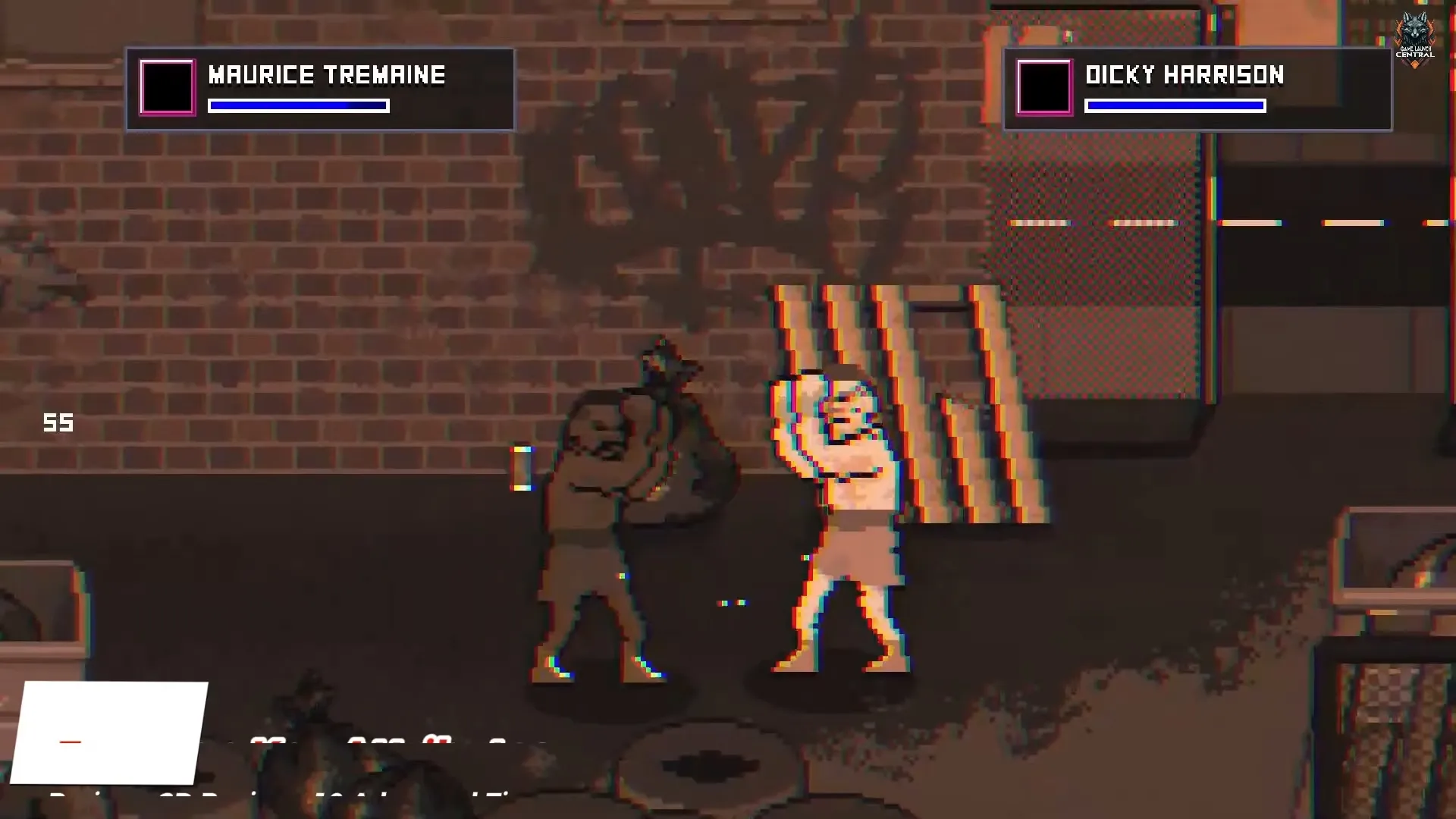
Play from here for ten advanced tips on stamina, slipping, counters, and early training.
Shown at 00:24 in Game Launch Central’s video.How do I fight opponents with higher stats?
Give yourself openings through distance and timing, then keep your attacks short enough to retain energy. One player describes switching from long, wild combinations to jabs followed by two or three clean punches and an immediate reset.
Start with the jab
Work the jab to gauge distance and set the pace. Save your heavier attacks for an opening rather than throwing them whenever your opponent is nearby.
Read the incoming attack
Watch for repeated punch patterns and look for a timed slip. Slipping, head movement, parrying, and counters are tools you can use in the ring; the practical goal is to create your next attack through defense.
Land a short combination and reset
Try two or three clean strikes, then step back or bring up your guard. A player reports that this controlled volume helped preserve energy instead of spending it on a forced knockout attempt.
The tradeoff is patience. You give up the constant pressure of a long combination to keep resources for the next exchange. For the underlying actions, see Bruisers 2D Boxing how to play.
How do I stop running out of stamina?
Limit wasted punches and resist the urge to spend your whole energy bar in the opening rush. One player describes losing fights after burning through their energy in the first 30 seconds while trying to force an early knockout.
That player's approach is to work the jab, manage distance, and reserve bursts for useful openings. They also describe missed punches and heavy overhands as costly, making speculative power shots a poor fit for this approach.
A promising opening is still a reason to check your own energy. Chasing a finish with an almost empty bar can leave you without enough resources to continue the fight.
When should I press for a knockout?
Press when your opponent is rocked and you still have energy for a controlled combination. A player describes the rocked state through a shaking screen and a heartbeat sound, then uses short combinations of hooks and uppercuts to exploit it.
Check your own condition before following up. If you have energy, increase pressure with deliberate punches. If you are near your limit, hold back rather than treating that opening as an obligation to end the fight immediately.
The useful distinction is between changing tempo and losing control. A short burst takes advantage of the opening; button mashing can spend the energy you need afterward.
What should I do when an opponent crowds me?
Try a shove to create room when an aggressive opponent crowds you, rather than trading punches out of desperation. One player's approach is to push the opponent back, reset the distance, and return to working the jab.
The same player uses a shove when trapped against the ropes, then moves back toward the center. Treat it as a way to reset a bad position before committing to another exchange.
Clinch fighting is another close-range tool: you can tie up an opponent and punch in the clinch to wear them down before the referee separates you. At close range, your stance also shifts to in-fighting, so expect a different exchange from the one you were having at jab distance.
What should I train before my early career fights?
A player's recommended starting focus is power, grit, and heart instead of spreading your first amateur camps across every attribute. They use wood cutting to gain experience and train those attributes together, especially for a Bully approach.
Their reasons for prioritizing the attributes are:
| Attribute | Player's training goal |
|---|---|
| Power | Knockout threat |
| Grit | Resistance to knockdowns |
| Heart | Getting up after a knockdown |
This is a focused preparation choice, not a promise that you can trade freely with a stronger boxer. The same player's fighting advice emphasizes preserving energy and avoiding unnecessary damage. Follow Bruisers 2D Boxing training when you want to work on preparation between bouts.
Should I choose Bully to win my first fight?
Choose a style for the way you want to fight; Bully is one option alongside Slick and Balanced. Each has strengths and weaknesses.
One player reports winning their first real fight with Bully on normal difficulty: they lost the opening round 9–10, then scored a knockout in the second. That is a useful reminder that losing a round does not end the fight, rather than a reason to expect the same result from choosing Bully.
For a comparison before committing to an approach, read Bruisers 2D Boxing fighting styles.
You now have a practical sequence to take into an early bout: establish distance, look for an opening, land a short combination, and reset. Between fights, return to focused training so your preparation supports the way you want to box.
FAQ
Build your attacks around openings and keep enough energy to reset afterward. A player recommends a jab-led approach with short combinations rather than continuous punching.
Power, grit, and heart are one player's suggested foundation for the first amateur camps. Their preferred activity for that combination is wood cutting.
Continue with controlled punches only if your energy allows it. If you are already near your limit, resist forcing the finish.
Yes. One Bully player on normal difficulty reports following a 9–10 opening round with a second-round knockout.